
Drivers who switch from domestic vehicles to European cars often notice something immediately — the brakes feel different.
The pedal response is firmer, the stopping power feels stronger, and the braking system reacts quickly.
This difference isn’t accidental. European brake systems are engineered with a focus on precision, control, and high-speed safety.
Understanding how they work helps owners maintain them properly.
Performance-Oriented Design
European manufacturers design braking systems to handle:
- Higher driving speeds
- Performance-oriented handling
- More aggressive braking conditions
Because of this, brake systems are built with:
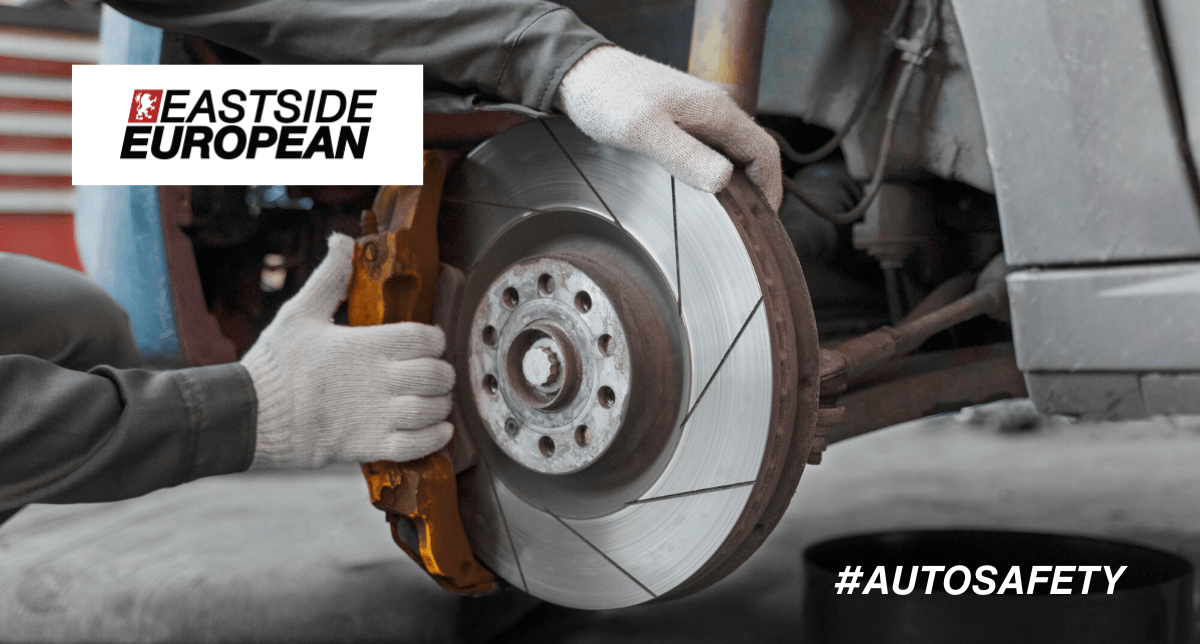
- Larger rotors
- Performance brake pads
- Advanced braking control systems
These components allow the vehicle to stop confidently even under demanding conditions.
Firmer Pedal Feel Is Intentional
Many drivers expect a soft brake pedal because that is common in some vehicles.
European cars are often designed with a firmer pedal feel.
A firmer pedal provides:
- Better driver feedback
- More precise braking control
- Improved performance during rapid braking
This design gives drivers a stronger connection between pedal input and stopping power.
Electronic Brake Systems
Modern European vehicles use sophisticated braking technology including:
- ABS (Anti-lock Braking System)
- Electronic Brake Distribution
- Brake Assist
- Stability Control
These systems constantly monitor wheel speed and vehicle stability, adjusting braking pressure automatically to maintain control.
They operate in milliseconds, helping drivers avoid loss of traction.
Brake Wear Happens Faster in Performance Systems
Because European brake systems prioritize performance, brake components may wear faster than those in some other vehicles.
Factors include:
- Higher friction brake pads
- Heavier braking loads
- Performance driving dynamics
Routine inspection ensures pads and rotors remain within safe limits.
Warning Signs to Watch For
Drivers should monitor for:
- Squealing or grinding noises
- Vibration during braking
- Reduced stopping performance
- Brake warning lights
These symptoms often indicate worn pads, rotor wear, or fluid concerns.
Prompt service ensures braking performance remains consistent.
Proper Maintenance Protects Safety
Brake systems rely on more than just pads and rotors.
Regular maintenance should include:
- Brake fluid replacement
- Pad and rotor inspection
- Caliper evaluation
- Electronic system diagnostics
Keeping the system properly maintained preserves braking performance and safety.
Final Thought
European brake systems feel different because they are designed for precision and performance.
The firm pedal response, strong stopping power, and advanced electronic control systems all contribute to safer driving.
Maintaining these systems properly ensures they continue to perform exactly as designed.