Uncategorized
Why Test Drives Are Part of Our Repair Process
When most people think about vehicle repairs, they picture technicians replacing parts, running diagnostic scans, and clearing warning lights. While those steps are important, one

When most people think about vehicle repairs, they picture technicians replacing parts, running diagnostic scans, and clearing warning lights. While those steps are important, one
One of the most common concerns among European vehicle owners is whether using aftermarket parts will automatically void their vehicle’s warranty. It’s a belief that’s

Hybrid and mild hybrid technology is becoming increasingly common across European vehicle lineups. Manufacturers are using these systems to improve efficiency, reduce emissions, and enhance
Extended warranties are often one of the most debated topics among vehicle owners. Some view them as valuable protection, while others see them as an
Not every vehicle problem has an obvious solution. Some issues are straightforward, while others require a more systematic approach to uncover the root cause. At

One of the most common misconceptions among luxury vehicle owners is that only dealerships are qualified to service European vehicles. While dealerships certainly play an

When selling a European vehicle, condition matters — but documentation matters just as much. Maintenance records provide proof that the vehicle was cared for properly

One of the most expensive assumptions in vehicle ownership is believing that warning lights can safely be ignored until later. Many drivers continue using the
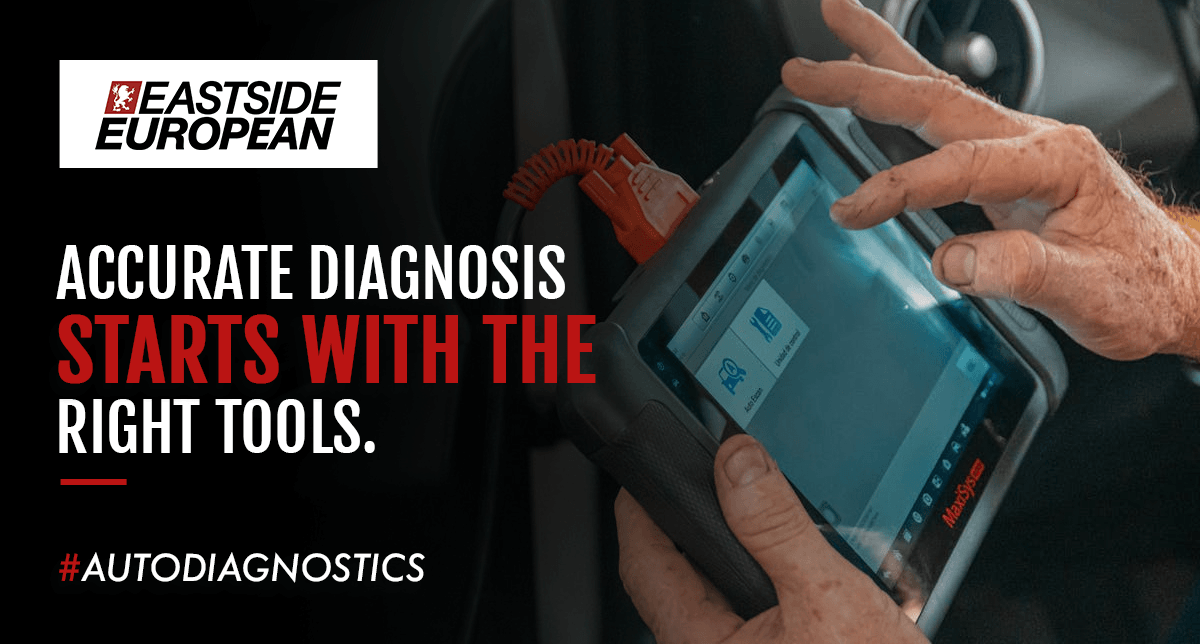
Modern European vehicles contain dozens of electronic modules controlling everything from engine performance to suspension behavior and safety systems. Diagnosing problems in these vehicles requires

When it comes to maintaining a European vehicle, owners often face two common options: structured service packages or paying for maintenance visit by visit. Both