
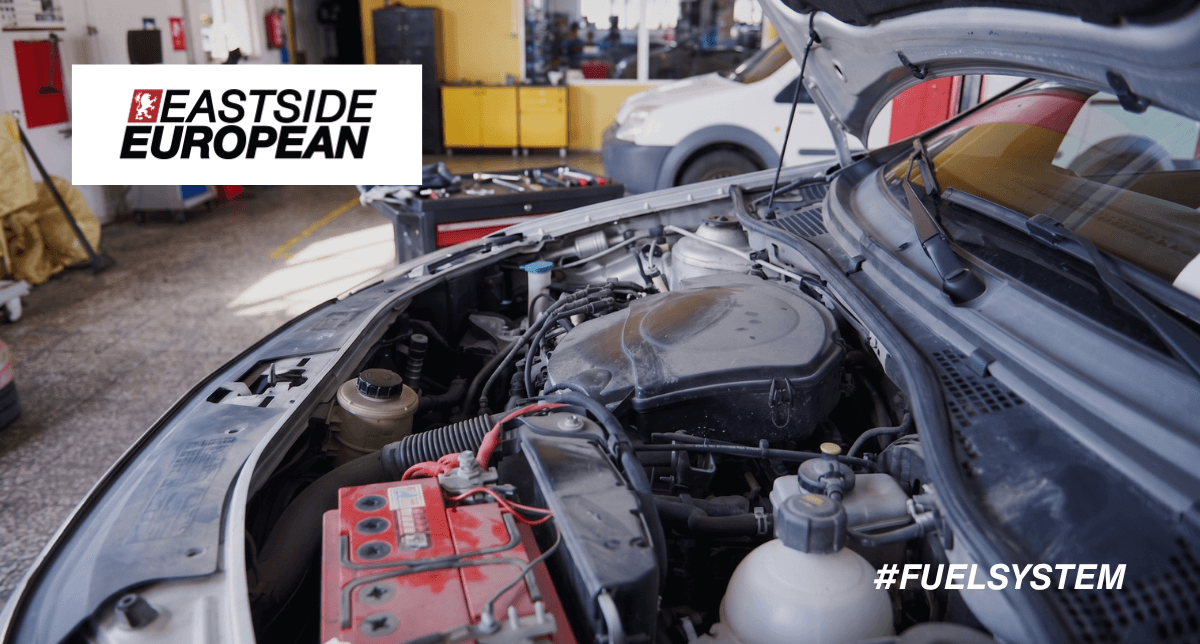
Fuel injection systems are at the heart of how modern European engines deliver performance and efficiency. They control how fuel enters the engine, how much is delivered, and when it is injected — all with precise timing.
Unlike older systems, many European vehicles use direct injection technology. This means fuel is delivered directly into the combustion chamber at high pressure, allowing for better control over combustion. The result is improved fuel efficiency, stronger performance, and lower emissions.
However, this precision also makes the system more sensitive to maintenance and operating conditions. Over time, components such as injectors and fuel pumps can wear, and carbon buildup can develop, particularly in direct injection engines. This buildup affects airflow and combustion efficiency, leading to reduced performance.
Drivers may notice subtle changes at first — a slightly rough idle, reduced acceleration, or lower fuel efficiency. These symptoms are easy to overlook, but they often indicate that the fuel system is no longer operating optimally.
Fuel quality also plays a role. Using low-quality or inconsistent fuel can contribute to deposits and affect injector performance. Over time, this can lead to misfires or uneven engine operation.
Because fuel systems are electronically controlled and highly precise, proper diagnosis is essential. Replacing components without confirming the root cause can lead to unnecessary repairs and continued issues.
Maintaining the fuel injection system ensures smooth engine performance, efficient fuel usage, and long-term reliability.
Final Thought
Fuel injection systems are designed for precision. Keeping them clean and properly maintained ensures your engine continues to perform as intended.