
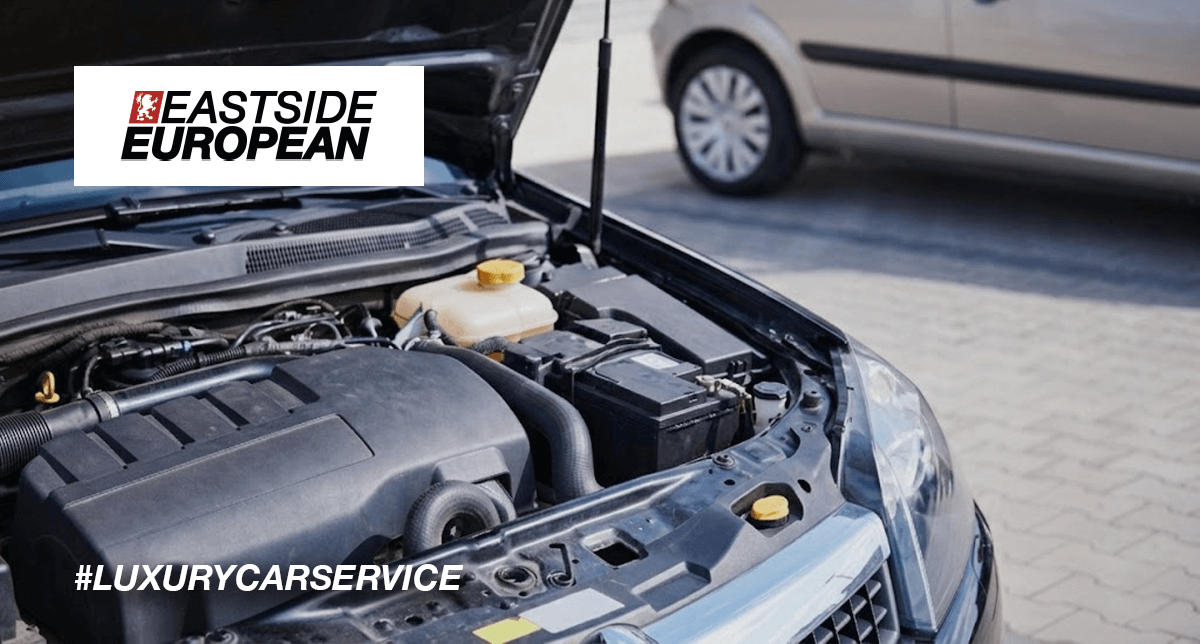
A professional vehicle inspection is not a quick visual glance — it is a structured evaluation designed to identify wear, risks, and hidden faults.
For European vehicles, inspections must go beyond surface checks. Precision engineering requires precision assessment.
At Eastside European, inspections follow a systematic process.
Step 1: Digital System Scan
Every inspection begins with a full-module diagnostic scan.
This reveals:
- Stored fault codes
- Pending issues
- Communication errors
- Software irregularities
Many problems do not trigger dashboard lights immediately — but are still present.
Step 2: Physical Component Evaluation
Technicians inspect:
- Suspension components
- Brake systems
- Steering parts
- Fluid levels and condition
- Visible leaks
Wear patterns provide insight into system health.
Step 3: Road Test Verification
A controlled road test evaluates:
- Shift quality
- Throttle response
- Brake feel
- Suspension noise
- Steering alignment
Some issues only appear under driving load.
Step 4: Undercarriage & Structural Review
Vehicles are lifted to inspect:
- Exhaust system
- Subframes
- Bushings
- Mounts
- Underbody leaks
This stage often reveals hidden concerns.
Step 5: Report & Recommendations
Findings are documented clearly.
We categorize:
- Immediate concerns
- Maintenance recommendations
- Future watch items
Transparency allows owners to prioritize intelligently.
Inspection Prevents Escalation
Routine inspections:
- Catch small issues early
- Prevent unexpected breakdowns
- Improve safety
- Protect long-term value
They are proactive — not reactive.
Final Thought
Professional inspections are structured, data-driven evaluations — not casual checks.
European vehicles deserve comprehensive assessment backed by proper tools and expertise.
Inspection today prevents repair tomorrow.